Relatable Humor in Design: The Coffee Thief Illustration
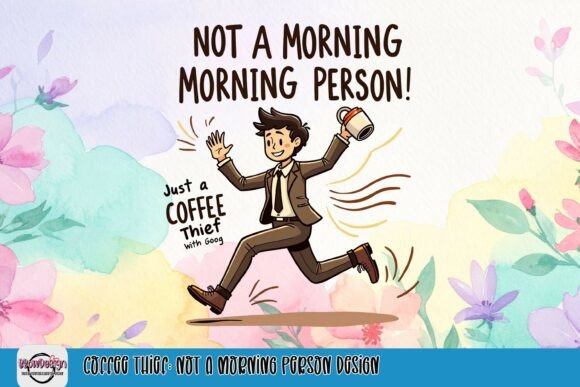
We've all been there: the alarm blares, the world feels fuzzy, and the only thought cohering is the desperate need for caffeine. This universal struggle is brilliantly captured in the Coffee Thief: Not a Morning Person Design, a piece of visual communication that transcends simple illustration to become a powerful tool for connection. For graphic designers, marketers, and creators, this asset isn't just a funny picture; it's a masterclass in using humor and relatability to forge an instant bond with an audience. Its playful cartoon style, bold typography, and clear narrative make it a versatile component for any modern design toolkit, especially for projects aiming to inject personality and warmth into a brand identity.
The Anatomy of an Effective Relatable Design
What makes this particular design work so well from a professional standpoint? It's a combination of key visual elements executed with purpose. The illustration features a dynamic figure in a suit—a symbol of the professional world we all navigate—joyfully running with a coffee mug. This creates an immediate visual hierarchy; the action and emotion are the focal point. The accompanying text, "Not a Morning Morning Person!" and "Just a Coffee Thief with Goog," uses witty, slightly imperfect typography to enhance the humorous tone, ensuring the message is not just read but felt. The high-resolution quality guarantees scalability, meaning the crisp lines and vibrant colors remain intact whether used on a tiny social media icon or a large-format print.
Practical Applications for Creative Projects
The true value of a creative asset like the Coffee Thief design lies in its adaptability. It can seamlessly integrate into numerous facets of a design workflow, enhancing both aesthetics and user engagement. Consider these practical applications:
- Branding & Merchandise: Perfect for coffee shops, coworking spaces, or lifestyle brands targeting millennials and Gen Z. Print it on t-shirts, mugs, tote bags, and stickers to create tangible brand touchpoints that customers love.
- Digital Marketing & Social Media: Use it as a standout graphic for social media posts, blog headers, or email newsletters. It’s ideal for Monday motivation posts, product announcements, or simply to boost engagement through shared humor.
- Editorial & Web Design: In web design and UI, it can serve as an engaging hero image or a fun loading animation. For editorial layouts in magazines or blogs about work-life balance, it provides a perfect visual anchor.
- Corporate & Internal Use: Spice up internal communications, presentation decks, or office décor to foster a positive, relatable company culture that acknowledges the human side of the workday.
Integrating Humor into a Cohesive Brand Identity
When incorporating a design like this, consistency is key. Evaluate how its color palette aligns with your existing brand system. Does its playful aesthetic match your brand's voice? For a more professional presentation, you might use it sparingly as an accent within a minimalist layout, allowing the design to pop without overwhelming the core message. The typography within the design itself should be considered; its casual, hand-drawn feel is part of its charm and should be complemented by cleaner, more neutral fonts in surrounding text to maintain visual hierarchy and readability.
Tips for Selecting and Using Creative Assets
- Audience Alignment: Ensure the humor resonates with your target demographic. This design speaks directly to the coffee-dependent professional, making it perfect for B2C brands in the food, beverage, and lifestyle sectors.
- Quality and Scalability: Always source high-resolution files. This ensures your designs look polished on both digital screens and physical prints, upholding a professional standard.
- Context is Everything: Use the asset where its message adds value. It’s fantastic for a casual Friday social post but might be less appropriate for a formal whitepaper cover. Match the asset to the platform and purpose.
In the realm of modern graphic design, the most effective visuals do more than decorate; they communicate and connect. The Coffee Thief: Not a Morning Person Design exemplifies how a single, well-crafted creative asset can humanize a brand, enhance user experience, and provide endless creative inspiration. By thoughtfully selecting and applying such resources, designers and creators can elevate their projects from merely informative to genuinely memorable, building bridges with their audience one relatable smile at a time.